
Now open in Banani — Floor 9, House 116, Road 11, Block E Call +880 1716-452207

Skin condition

Melasma treatment in Banani, Dhaka

Melasma is a common condition that causes brown or grey-brown patches on the face, especially in women with medium to darker skin. It can't be switched off for good, but with the right plan and daily sun protection most people see the patches fade clearly.

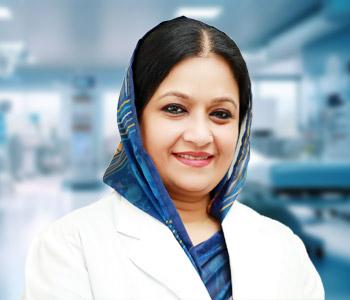
Medically reviewed by Prof. Dr. Wahida Khan Chowdhury, MBBS, DDV, FCPS · Reviewed October 2026
Book a consultation Call +880 1716-452207

At a glance

Who it affects
Mostly women aged 20–50; very common in South Asian skin
Where it appears
Cheeks, forehead, nose, upper lip, chin
Main triggers
Sun, heat and visible light, hormones, genetics
Time to improve
Usually 8–12 weeks with steady treatment

What is melasma?

Melasma is a pigmentation disorder. Pigment cells in the skin make too much melanin, which shows as flat, symmetrical patches. The patches are not harmful or contagious, but they can be stubborn and often affect confidence.

It is sometimes called the "mask of pregnancy" because it often starts during pregnancy. It can also appear without any obvious reason, and it tends to darken in summer and fade a little in winter.

What causes melasma?

There is rarely a single cause. The most common triggers are:

  • Sun exposure: ultraviolet rays, visible light and heat all stimulate pigment.
  • Hormones: pregnancy, birth-control pills and hormone treatment.
  • Genetics: it often runs in families.
  • Irritating skin products, including unprescribed bleaching or "fairness" creams.

How is melasma diagnosed?

Dr. Wahida examines your skin, often with a dermatoscope or a Wood's lamp, to see how deep the pigment sits. This matters because several conditions look similar, such as dark marks after acne, freckles and other pigment disorders, and each needs a different treatment.

How we treat melasma at Skinology

Treatment is planned in steps and adjusted as your skin responds:

  • Daily broad-spectrum sunscreen, reapplied, is the foundation of every plan.
  • Prescription creams that reduce pigment, chosen for your skin.
  • Chemical peels in a gentle strength, repeated over several sessions.
  • Microneedling for melasma for stubborn patches.
  • Tablets in selected cases, only when Dr. Wahida decides they are suitable.

What results to expect

Most patients notice lighter patches after 8 to 12 weeks. Melasma can return with strong sun or hormonal changes, so a simple maintenance routine is part of the plan. Lasers are used carefully, or not at all, because in darker skin the wrong laser can make melasma worse.

What to avoid

Avoid steroid-containing or unprescribed whitening creams. They can lighten skin briefly but often cause thinning, redness and darker pigment later. Avoid scrubbing, harsh home remedies and long hours in direct sun without protection.

Treatments that can help

Chemical peels

Gentle, repeated peels to lift surface pigment.

About chemical peels →

Microneedling for melasma

A targeted protocol for stubborn patches.

About microneedling →

Photofacial

Light-based treatment, used only when suitable for your skin type.

About photofacial →

FAQ

Questions about melasma

Ask Dr. Wahida
Can melasma be cured permanently?+

Melasma is a long-term condition, so the goal is control rather than a one-time cure. With treatment and daily sun protection, patches can fade a great deal and stay light.

Is laser good for melasma?+

Sometimes, but with care. In medium and darker skin, the wrong laser or setting can make melasma darker. Dr. Wahida uses creams, peels and microneedling first and recommends light-based treatment only when it suits your skin.

Can I treat melasma during pregnancy?+

Many melasma treatments are not used during pregnancy or breastfeeding. Sun protection is safe and important. Tell us if you are pregnant or planning to be, and we will suggest safe options.

How long until I see results?+

Most people see improvement after 8 to 12 weeks of steady treatment. Deeper pigment takes longer.

Start treating melasma the right way.

Book a consultation and Dr. Wahida will plan treatment for your skin type.

Book a consultation Call +880 1716-452207